
Choosing the right dental specialist can be overwhelming, but understanding their distinct roles is vital for your oral health. Have you ever wondered what the difference is between an oral surgeon and a periodontist? Let's break it down.
What You Will Learn
- Oral surgeons perform surgical procedures like tooth extractions and dental implants, while periodontists focus on gum disease treatment.
- Both specialists often collaborate to ensure comprehensive patient care and improved outcomes.
- Common procedures include tooth extractions, dental implants, bone grafting, gum grafts, and periodontal therapy.
- Understanding sedation dentistry options helps patients choose the right comfort level during procedures.
- Evaluating credentials, experience, and patient reviews is crucial for selecting a trustworthy specialist.
- Community recommendations provide valuable insights and can guide you to a reliable dental professional.
Oral Surgeon vs. Periodontist: Key Distinctions and Collaboration
Understanding the specialized roles of oral surgeons and periodontists is crucial for comprehensive oral health. While both are vital, their training and primary focus differ significantly, often leading to a collaborative approach for optimal patient care.
Oral Surgeons: Focus & Procedures
- • Specialized in surgical interventions.
- • Undergo extensive surgical training.
- • Key procedures: Tooth Extractions, Jaw Surgery, Dental Implants.
Periodontists: Focus & Procedures
- • Focus on preventing, diagnosing, and treating gum disease.
- • Manage supporting structures of teeth.
- • Key procedures: Gum Grafts, Periodontal Therapy.
Understanding the Role of Oral Surgeons and Periodontists in Fort Myers
When it comes to oral health, understanding the different roles of oral surgeons and periodontists is crucial. These specialists play vital roles in managing complex dental issues, but they focus on different aspects of care. As someone who is passionate about patient education, I want to help clarify these distinctions for you.
Oral surgeons, like myself at Fort Myers Oral Surgery & Periodontal Care, primarily handle surgical procedures, including tooth extractions and dental implants. On the other hand, periodontists focus on preventing, diagnosing, and treating gum disease while managing the supporting structures of the teeth. Both professionals work closely to ensure optimal oral health, but their expertise lies in different areas.
What Sets Oral Surgeons Apart from Periodontists?
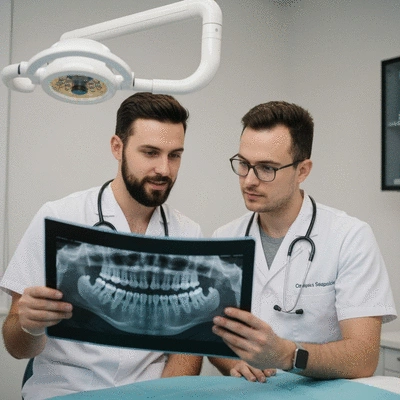
The primary difference between oral surgeons and periodontists lies in their training and the types of procedures they perform. Oral surgeons undergo extensive training in surgical techniques and anesthesia, making them well-equipped for invasive procedures. Here’s a quick overview:
- Oral Surgeons: Specialize in surgical interventions such as tooth extractions, jaw surgery, and dental implants.
- Periodontists: Focus on the treatment of gum diseases, performing procedures like gum grafts and periodontal therapy.
- Collaboration: Both specialists may collaborate to provide comprehensive care, especially when gum health impacts surgical outcomes.
Understanding these distinctions helps you make informed decisions about your oral health care. If you ever feel uncertain about which type of specialist you need, don’t hesitate to reach out to us for guidance!
Common Dental Procedures Handled by Specialists
Both oral surgeons and periodontists perform a range of procedures that cater to different needs. Knowing what to expect can alleviate some anxiety around dental visits. Here are some common procedures you might encounter:
- Tooth extractions
- Dental implants
- Bone grafting
- Gum grafts
- Periodontal therapy
These procedures are essential in addressing various oral health challenges, and understanding them is key to feeling empowered about your treatment options. Remember, I'm here to help clarify any questions you might have regarding these procedures!
Exploring Dental Surgery Options: From Tooth Extraction to Bone Grafting
Dental surgery can encompass a variety of procedures, and it’s important to know what each entails. For instance, tooth extraction may seem intimidating, but it’s a common procedure often performed to alleviate pain or prepare for orthodontic treatment. Bone grafting, on the other hand, is a specialized procedure designed to augment the bone structure, particularly in preparation for dental implants.
- Tooth Extraction: Necessary when a tooth is damaged or decayed beyond repair.
- Dental Implants: A long-term solution for missing teeth, involving a titanium post placed in the jawbone.
- Bone Grafting: Involves transplanting bone tissue to support dental implants or restore bone loss.
As we explore these options, I encourage you to think about your own oral health needs. Together, we can determine the best path forward for your treatment!
Understanding the Importance of Sedation Dentistry in Oral Care
Many patients experience anxiety surrounding dental procedures, which is where sedation dentistry can play a crucial role. By using sedation techniques, we can help ensure a more comfortable and less stressful experience. There are different types of sedation available, and it’s essential to understand which might be right for you.
- Local Anesthesia: Numbs a specific area of the mouth.
- Oral Sedation: Medication taken prior to the procedure to help relax you.
- IV Sedation: Administered directly into the bloodstream for deeper sedation during complex procedures.
At Fort Myers Oral Surgery & Periodontal Care, we prioritize your comfort and work closely with you to choose the sedation method that suits your needs best. Understanding these options can empower you to have a positive surgery experience!
I couldn't find a specific YouTube video related to "Top-Rated Oral Surgeons and Periodontists in Fort Myers: How to Choose the Best Specialist for Your Dental Surgery." However, I can suggest using a video featuring Dr. D. Scott Trettenero, DDS, which may provide relevant information on dental care in Fort Myers. Here is an embed code for a video where Dr. Trettenero discusses treating gum disease:
We Want to Hear From You!
What factors are most important to you when choosing an oral surgeon or periodontist? Share your thoughts below:
Essential Criteria for Choosing the Right Dental Specialist
When it comes to your oral health, choosing the right specialist is crucial. At Fort Myers Oral Surgery & Periodontal Care, I believe that an informed decision can lead to a more comfortable and effective treatment journey. In this section, we'll explore the essential criteria to consider when selecting your dental specialist.

Evaluating Credentials and Experience
Understanding the background of your potential oral surgeon or periodontist is key. Look for certifications, years of experience, and specialized training. Credentials not only reflect a professional’s knowledge but also their commitment to excellence in patient care. The American Dental Association (ADA) is a valuable resource for understanding the qualifications and standards expected of dental professionals. Similarly, the Florida Board of Dentistry provides information on licensed dentists and specialists within the state, ensuring they meet state-specific requirements. You can also consult resources from the Florida Department of Health for further insights into healthcare provider regulations.
- Check for board certification in oral surgery or periodontics.
- Inquire about their experience with specific procedures you may need.
- Review any continuing education or advanced training they have received.
At Fort Myers Oral Surgery & Periodontal Care, we prioritize transparency in our qualifications because we want you to feel confident in your choice. A specialist with the right credentials can significantly impact the quality of your treatment!
Importance of Board Certification
Board certification is a vital aspect of a specialist’s credentials. It indicates that they have met rigorous standards set by their professional board and are committed to ongoing education in their field. This is especially important in the fast-evolving world of dental technology and techniques.
- Board-certified specialists have demonstrated proficiency in their area.
- They are often required to participate in continuing education.
- Certification provides peace of mind regarding the quality of care.
Choosing a board-certified specialist means you are opting for someone who is serious about maintaining high standards in their practice.
Assessing Patient Reviews and Testimonials
Patient feedback is a valuable resource when choosing a dental specialist. Reviews can give insights into the experience of others and how a practice handles various situations. Gathering this information helps you make a more informed decision.
- Look for reviews on multiple platforms for a well-rounded view.
- Pay attention to comments about comfort and communication.
- Consider both positive and negative feedback to gauge overall satisfaction.
At Fort Myers Oral Surgery & Periodontal Care, we encourage potential patients to read testimonials—we believe they reflect our commitment to compassionate and effective care.
How to Analyze Feedback Effectively
When reading reviews, it's essential to look beyond the star ratings. Focus on the details. What specific procedures did patients undergo? How was their recovery experience? Analyzing this feedback can help tailor your expectations and guide your questions during a consultation.
- Identify recurring themes in patient experiences.
- Look for mentions of specific staff members for insights on their helpfulness.
- Watch for any red flags in negative reviews.
By thoroughly analyzing patient feedback, you can find a specialist who aligns with your needs and preferences.
Community Recommendations and Their Impact on Your Choice
Don’t underestimate the power of local knowledge! Recommendations from friends, family, or your general dentist can lead you to trustworthy specialists. A connection to the community often means that a specialist understands the unique needs of their patients.
- Ask your general dentist for referrals based on your specific needs.
- Consider recommendations from friends who have undergone similar procedures.
- Look for community involvement, which may indicate a commitment to patient care.
Frequently Asked Questions (FAQs)
What is the main difference between an oral surgeon and a periodontist?
Oral surgeons specialize in surgical procedures of the mouth, face, and jaw, including extractions and dental implants. Periodontists focus on preventing, diagnosing, and treating gum disease and managing the supporting structures of the teeth.
Why is collaboration between oral surgeons and periodontists important?
Collaboration ensures comprehensive patient care, especially when gum health affects surgical outcomes or when surgical interventions are needed for periodontal issues, leading to improved overall oral health.
What are some common procedures performed by these specialists?
Common procedures include tooth extractions, dental implants, bone grafting (performed by oral surgeons), and gum grafts and periodontal therapy (performed by periodontists).
What is sedation dentistry, and why is it important?
Sedation dentistry uses various techniques (local anesthesia, oral sedation, IV sedation) to help patients feel comfortable and relaxed during dental procedures, especially those with anxiety or undergoing complex treatments.
How can I choose the right dental specialist for my needs?
To choose the right specialist, evaluate their credentials and experience (e.g., board certification), read patient reviews and testimonials, and consider recommendations from your general dentist or local community.
At Fort Myers Oral Surgery & Periodontal Care, we take pride in being a part of the Fort Myers community. We are dedicated to providing personalized care that reflects the needs of our local patients.
Recap of Key Points
Here is a quick recap of the important points discussed in the article:
- Oral surgeons focus on surgical procedures, while periodontists specialize in gum health and disease management.
- Common procedures include tooth extractions, dental implants, and gum grafts, each essential for addressing various oral health challenges.
- Sedation dentistry options can enhance patient comfort during procedures, with methods ranging from local anesthesia to IV sedation.
- Choosing the right dental specialist involves evaluating credentials, experience, and patient reviews.
- Board certification is important as it reflects a commitment to high standards and ongoing education in dental care.