Did you know that nearly 85% of people will need to have their wisdom teeth removed at some point in their lives? Understanding the implications of these teeth can significantly impact your oral health.
What You Will Learn
- Wisdom teeth typically emerge between the ages of 17 and 25, often leading to complications due to lack of space in the jaw.
- Common issues associated with wisdom teeth include impaction, cavities, and gum disease, which can affect overall oral health.
- Symptoms that may indicate the need for evaluation include pain, swelling, and difficulty opening the mouth or chewing.
- Consulting with a professional for personalized care is crucial to assess the need for wisdom teeth removal effectively.
- Making informed decisions about wisdom teeth involves understanding symptoms, treatment options, and long-term oral health goals.
Key Considerations for Wisdom Teeth
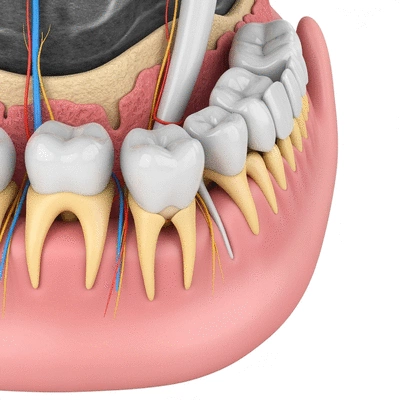
Wisdom teeth, or third molars, often emerge between the ages of 17 and 25. Their development can lead to various complications due to limited space in the jaw. Below are common issues and symptoms associated with wisdom teeth, highlighting why professional evaluation is crucial. For guidance on tooth extraction reasons and timing, consult an expert.
Common Issues
- Impaction: Insufficient space for eruption.
- Cavities: Difficult to clean, high decay risk.
- Gum Disease: Bacterial accumulation around partially erupted teeth.
Symptoms to Watch For
- Pain or swelling around the wisdom teeth.
- Difficulty opening mouth or chewing.
- Persistent bad breath or unpleasant taste.
Understanding Wisdom Teeth and Their Role in Oral Health
Wisdom teeth, also known as third molars, are the last set of molars that typically emerge in late adolescence or early adulthood. For many, they come in between the ages of 17 and 25. While these teeth were once essential for our ancestors who had a rougher diet, most of us today may find them more of a nuisance than a necessity. At Fort Myers Oral Surgery & Periodontal Care, I often explain to my patients that understanding the role of wisdom teeth is crucial in maintaining optimal oral health.
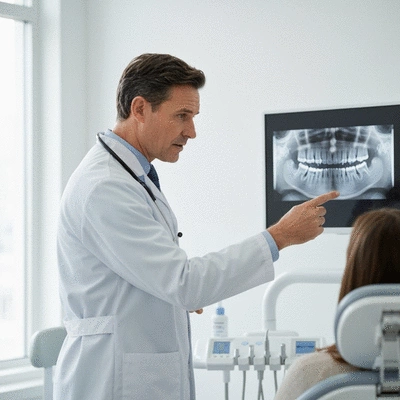
As these teeth attempt to break through the gums, they can sometimes cause problems due to a lack of space in the jaw. In fact, many people have jaw structures that simply don't accommodate these extra molars. This is why it’s important to be aware of how they can affect your overall oral health.
What Are Wisdom Teeth? An Overview
Wisdom"