What if the key to a speedy recovery after your tooth extraction lies in what you eat? Discover how your dietary choices can influence your healing journey.
What You Will Learn
- The importance of a balanced diet rich in proteins, vitamins, and hydration for healing after tooth extraction.
- A daily breakdown of what foods to consume from the first day post-extraction to the end of the first week.
- Soft and nutrient-dense food options like Greek yogurt, scrambled eggs, and smoothies that support recovery.
- Key foods to avoid, such as hard, crunchy, or spicy items that can irritate your healing gums.
Post-Extraction Healing Timeline and Dietary Guidance
Understanding the healing timeline and appropriate dietary choices is crucial for a smooth recovery after a tooth extraction. The visual below outlines key stages and recommended foods to support optimal healing.
Healing Timeline: What to Expect
- 1 Day 1: Liquids (water, broth, smoothies).
- 2-3 Days 2-3: Soft foods (yogurt, applesauce).
- 4-5 Days 4-5: More substantial soft foods (scrambled eggs, mashed potatoes).
- 7+ After Week 1: Gradually incorporate solid foods, chew carefully.
*Individual healing varies; consult your dental professional for personalized advice.
Nutrient-Rich Foods for Optimal Healing
- • Protein: Yogurt, eggs, lean meats (when soft enough), tofu. Essential for tissue repair.
- • Vitamins A & C: Bananas, smoothies, soft cooked vegetables. Support immune function.
- • Hydration: Water, clear broths. Crucial for cellular function and waste removal.
- • Healthy Fats: Avocado, olive oil (in dressings for soft foods). Aid in inflammation reduction.
Focus on easily digestible, soft options to prevent irritation.
Understanding Your Diet Post-Tooth Extraction
After a tooth extraction, your diet plays a crucial role in your recovery process. Proper nutrition not only aids in healing but also helps to minimize discomfort. Neglecting your diet can lead to complications, prolong recovery time, and even affect your overall oral health. I often remind my patients at Fort Myers Oral Surgery & Periodontal Care that what you eat matters during this crucial period! For more insights into the extraction process itself, read about tooth extraction reasons and timing.
Eating the right foods can significantly impact how quickly and effectively you heal. For instance, sticking to soft, nutrient-dense options can alleviate pain and expedite the recovery process. So let's explore how your diet affects healing and what to expect during your recovery journey.
How Your Diet Affects Healing After Tooth Extraction
Your body needs the right fuel to heal, especially after surgery. A balanced diet rich in vitamins and minerals supports cellular repair and reduces inflammation. If you skip out on essential nutrients, you might find yourself facing a delayed recovery or increased discomfort. Remember, your body is working hard to heal, and it needs your support!
- Protein: Vital for tissue repair; include sources like yogurt and eggs.
- Vitamins A and C: Important for immune function; think of soft fruits like bananas.
- Hydration: Keeping hydrated is essential for recovery; water is your best friend!
Incorporating these nutrients into your post-extraction meals can make a significant difference. When you prioritize a healthy diet, you’re not just healing; you’re also empowering yourself to feel better and more in control during your recovery.
What to Expect: The Healing Timeline
Understanding the healing timeline can help set your expectations as you recover from a tooth extraction. Initially, you’ll be on a soft diet immediately following the procedure, but as your mouth heals, you can gradually introduce more solid foods. Here’s a simple day-by-day breakdown:
- Day 1: Stick to liquids like water, broth, and smoothies.
- Day 2-3: Introduce soft foods such as yogurt and applesauce.
- Day 4-5: Begin to add in more substantial options like scrambled eggs and mashed potatoes.
- After Week 1: If healing progresses well, you can start incorporating more solid foods, but chew carefully!
Knowing this timeline helps you to plan your meals and understand when you can start enjoying your favorite foods again. Remember that everyone heals differently, so listen to your body and consult with us if you have any concerns! You can also learn more about mouth care tips after surgery to further support your recovery.
Nourishing Foods to Include in Your Post-Extraction Diet
Soft and Easy-to-Swallow Options for Quick Recovery
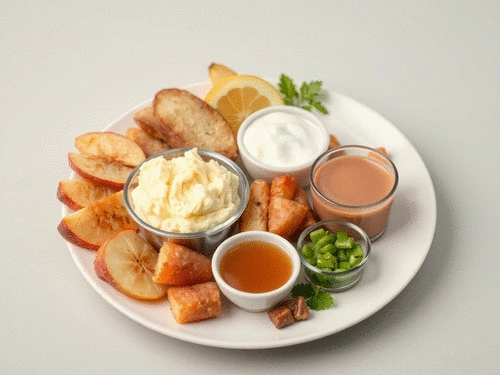
When you’re healing after a tooth extraction, choosing the right foods can make a world of difference. Here are some soft and easy-to-swallow options that can help you recover quickly:
- Greek yogurt – Packed with protein and probiotics!
- Smoothies – Blend up your favorite fruits with some spinach for a nutrient boost.
- Mashed potatoes – Comforting and easy on the mouth; add some butter for flavor!
- Scrambled eggs – Soft and full of protein; a great breakfast choice.
These options not only provide essential nutrients but are also gentle on your healing gums. It’s important to enjoy meals that make you feel good, especially during recovery. By choosing nourishing foods, you set yourself up for a smoother healing process.
Protein and Nutrient-Rich Foods for Optimal Healing
Focusing on protein and nutrient-rich foods is essential for your recovery after a tooth extraction. These foods help repair tissues and boost your immune system. Here are some key components to consider:
- Lean proteins: Chicken, fish, and tofu can be delightful additions to your diet.
- Healthy fats: Avocados and olive oil provide beneficial fats that support healing.
- Vitamins and minerals: Fresh fruits and vegetables ensure you’re getting the nutrients your body needs.
Incorporating these nutrient-dense foods into your meals can significantly enhance your recovery experience. Remember, nourishing your body effectively speeds up the healing journey!
Incorporating Soft Foods: A Comprehensive List
To help you navigate your post-extraction diet, I’ve compiled a detailed list of soft foods that are ideal for recovery:
- Applesauce
- Pudding
- Cottage cheese
- Soft fruits like ripe bananas and melons
- Oatmeal or cream of wheat
- Soups (avoid hard ingredients)
These options not only adhere to your dietary needs but also keep meals exciting and enjoyable! As you heal, it’s beneficial to explore different combinations of these foods to maintain a balanced diet. For comprehensive support, consider scheduling an oral surgery consultation to understand what to expect.
Pro Tip
To enhance your healing process after a tooth extraction, consider incorporating smoothies into your diet. Not only can they be packed with vitamins and minerals, but they also allow you to blend in nutrient-rich ingredients like spinach, berries, and protein powder. This way, you can enjoy a delicious treat while ensuring your body gets the nourishment it needs for a faster recovery!
Summarizing Your Post-Extraction Diet Plan
As we wrap up our discussion on post-extraction care, it's vital to remember that your diet plays a significant role in your recovery journey. By focusing on the right foods and avoiding certain pitfalls, you'll support your healing process effectively. Here are some key takeaways to keep in mind:
- Incorporate soft, nutritious foods like Greek yogurt, smoothies, and mashed potatoes to aid healing.
- Avoid hard, crunchy, or spicy foods to prevent irritation and discomfort.
- Stay hydrated and maintain a balanced diet rich in proteins and essential vitamins for optimal recovery.
Recognizing the importance of proper nutrition and care will empower you to navigate your recovery with confidence. Remember, your comfort and health come first!
Embracing a Nutritional Approach for Long-Term Oral Health
Your post-extraction diet is not just a temporary measure; it’s part of a broader commitment to your oral health. At Fort Myers Oral Surgery & Periodontal Care, I believe that adopting a nutritious and balanced diet can enhance your overall well-being. Think of this recovery period as an opportunity to reset your eating habits and focus on nourishing your body. For general dental health tips that complement your recovery, consider exploring daily oral health tips for you.
By integrating a variety of nutritious foods into your daily meals, you’ll not only support healing but also set the stage for long-term oral health. Consider whole grains, lean proteins, and plenty of fruits and vegetables as staples in your diet moving forward. This holistic approach to nutrition will benefit not just your mouth but also your entire body!
FAQs About Post-Tooth Extraction Diet
Q: Why is diet so important after a tooth extraction?
A: Your diet plays a crucial role in the healing process by providing essential nutrients for tissue repair, reducing inflammation, and minimizing discomfort. Proper nutrition helps prevent complications and supports a faster, smoother recovery.
Q: What foods should I eat immediately after a tooth extraction?
A: On day 1, stick to liquids like water, broth, and smoothies. Gradually introduce soft foods such as yogurt, applesauce, scrambled eggs, and mashed potatoes over the next few days as your healing progresses.
Q: What foods should I avoid after a tooth extraction?
A: Avoid hard, crunchy, spicy, acidic, or very hot foods, as these can irritate the extraction site, dislodge the blood clot, or cause discomfort. Also, refrain from using straws, as the suction can lead to dry socket.
Q: How long do I need to stick to a soft diet?
A: Generally, you should stick to a soft diet for the first week after extraction. You can gradually reintroduce more solid foods after day 7, but always chew carefully and listen to your body. Individual healing times vary.
Q: Can I drink smoothies after a tooth extraction?
A: Yes, smoothies are an excellent option as they are nutritious and easy to consume. Just remember to avoid using a straw. Use a spoon or drink directly from a cup to prevent dislodging the blood clot.
Taking the Next Step: Resources and Support
Further Reading and Resources for Post-Extraction Care
For those looking to dig a little deeper into managing your recovery, I recommend exploring various resources that offer delicious recipes and dietary tips. Websites like the American Dental Association provide valuable guidelines, while cookbooks focused on soft diets can be a treasure trove of ideas!
Utilizing these resources can help you stay informed and inspired during your recovery. Remember, knowledge is power, especially when it comes to your health! For more information on maintaining a bright smile, check out tips to keep your smile bright.
Consulting Your Dentist: Personalized Advice for Recovery
As you navigate your healing journey, don’t hesitate to reach out to your dental professional for personalized advice tailored to your specific needs. At Fort Myers Oral Surgery & Periodontal Care, I’m here to help you address any concerns you may have during this recovery phase. Your comfort and confidence are my top priorities!
Whether you have questions about your diet, healing progress, or any other aspect of recovery, I encourage you to communicate openly. Together, we can ensure that you are on the right track to optimal healing.
Pain Management Strategies During Recovery
Managing discomfort after a tooth extraction is crucial for a smooth recovery. Here are some effective pain management strategies to consider:
- Over-the-counter medications: Non-steroidal anti-inflammatory drugs (NSAIDs) like ibuprofen can help alleviate pain.
- Cold compresses: Applying a cold pack to the outside of your cheek can reduce swelling and numb pain.
- Rest: Prioritize rest to allow your body to heal. Avoid strenuous activities during the initial recovery days.
Taking these steps can make a significant difference in your comfort levels. If pain persists or worsens, please reach out to me immediately for further evaluation. Your healing is my priority, and I’m here to support you through every step!
Recap of Key Points
Here is a quick recap of the important points discussed in the article:
- Incorporate soft, nutritious foods like Greek yogurt, smoothies, and mashed potatoes to aid healing.
- Avoid hard, crunchy, or spicy foods to prevent irritation and discomfort.
- Stay hydrated and maintain a balanced diet rich in proteins and essential vitamins for optimal recovery.
- Follow the healing timeline to gradually reintroduce solid foods as your mouth heals.
- Consult your dentist for personalized advice and support throughout your recovery journey.