Did you know that bone grafting can significantly enhance the success of dental implants? This crucial procedure not only restores jawbone integrity but also empowers patients to achieve their desired oral health outcomes. Let's explore the essential insights you will gain about bone grafting and its vital role in oral surgery.
What You Will Learn
- Bone grafting creates a solid foundation for dental implants, ensuring their stability and success.
- This procedure stimulates natural bone growth, enhancing the jawbone's strength and volume.
- Bone grafting helps prevent future bone loss, maintaining both functionality and facial aesthetics.
- Understanding the recovery timeline and post-operative care is essential for optimal healing and results.
Bone Grafting: Key Benefits & Procedure Overview
Bone grafting is a crucial procedure in oral surgery, restoring jawbone health and preparing for dental implants. Below, we highlight its core benefits and the general steps involved.
Key Benefits of Bone Grafting
- Enhances jawbone strength & volume
- Prepares jaw for dental implants
- Prevents further bone loss & supports aesthetics
- Stimulates natural bone growth
Bone Grafting Procedure Flow
Common Bone Graft Materials
- Autografts: Patient's own bone
- Allografts: Donor bone
- Xenografts: Animal source bone
- Synthetic Grafts: Man-made materials
The Importance of Bone Grafting in Oral Surgery
When it comes to enhancing the success of oral surgery, understanding the role of bone grafting is crucial. Bone grafting is a surgical procedure that involves the transfer of bone tissue to an area where bone has been lost or damaged. This procedure is significant because it not only aids in restoring the structural integrity of the jaw but also prepares the foundation necessary for various dental implants. As a dedicated oral surgeon, I often see how this procedure can positively impact patients' journeys toward better oral health. For more information on what to expect during your initial visit, you can review our guide on oral surgery consultations.

At Fort Myers Oral Surgery & Periodontal Care, we emphasize the importance of providing clear and reliable information about bone grafting. Many patients may feel anxious about undergoing surgery, but knowing what to expect can alleviate this stress. Bone grafting enhances surgical outcomes, ensuring that patients can achieve the results they desire while improving their overall oral health.
Understanding Bone Grafting: An Overview
Bone grafting is more than just a technical procedure; it’s a vital step in restoring health to the jawbone. This process can involve using the patient’s own bone, donor bone, or synthetic materials to stimulate new bone growth. The significance of bone grafting lies in its ability to create a stable and healthy environment for dental implants, especially for those who have experienced bone loss due to periodontal disease or trauma.
- Creates a solid foundation for dental implants
- Stimulates natural bone growth and healing
- Improves functionality and aesthetics of the mouth
By understanding bone grafting, patients can feel more empowered when discussing treatment options with their oral surgeon. This knowledge can foster a sense of trust and comfort, allowing individuals to make informed decisions about their oral health.
Exploring the Benefits of Bone Grafting
Improving Jawbone Strength and Volume
One of the primary benefits of bone grafting is its ability to enhance the strength and volume of the jawbone. Over time, bone loss can occur, particularly after tooth extractions. Bone grafting effectively counteracts this by providing a scaffold for new bone to grow, resulting in a stronger jaw that can better support dental implants. You can learn more about dental implants and what to expect on our restorative dentistry subdomain.
Preparation for Dental Implants: Why it Matters
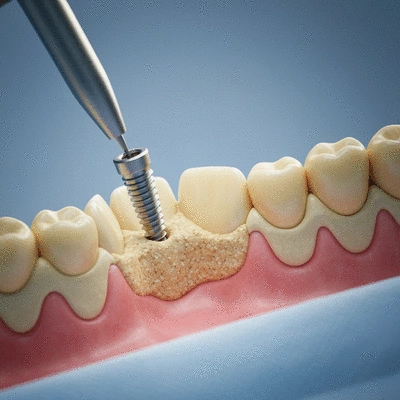
Bone grafting plays a critical role in preparing the jaw for dental implants. Without sufficient bone, dental implants may fail to integrate properly. A successful graft ensures that the area has the necessary volume and density for the implant to anchor securely, leading to optimal function and aesthetics.
Preventing Bone Loss and Supporting Aesthetics
In addition to functional benefits, bone grafting helps maintain facial aesthetics. When bone loss occurs, it can lead to changes in facial structure, resulting in a sunken appearance. Bone grafting prevents further bone loss, helping to preserve a youthful appearance and confidence in one's smile.
Guided Bone Regeneration: Techniques and Benefits
Guided bone regeneration is a technique often used alongside bone grafting to enhance results. This method involves using barriers to direct the growth of new bone, ensuring that it occurs in the desired area. The benefits include improved healing outcomes and a higher success rate for implants. Together, these techniques pave the way for successful surgical interventions.
The Bone Grafting Procedure: What to Expect
Steps Involved in Bone Grafting Surgery
The process of bone grafting generally involves several key steps. Initially, we conduct a thorough evaluation to assess the extent of bone loss and determine the appropriate grafting material. The surgery typically begins with the administration of anesthesia, followed by the precise placement of the graft material. Finally, we close the area, ensuring proper healing.
Types of Graft Materials: Choosing the Right Option
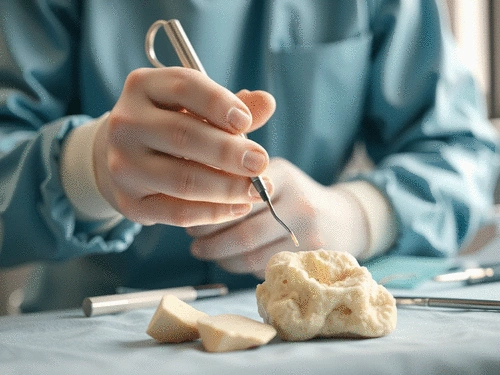
Different types of graft materials can be used, each with its own advantages:
- Autografts: Bone taken from the patient’s own body
- Allografts: Bone sourced from a donor
- Xenografts: Bone from an animal source
- Synthetic grafts: Man-made materials designed to stimulate bone growth
Choosing the right material depends on various factors, including the patient’s health and specific needs.
Bone Healing and Recovery: Understanding the Timeline
Recovery time after bone grafting varies, typically ranging from a few weeks to several months. The healing process involves the integration of the graft material with the existing bone, which is essential for long-term success. Understanding this timeline helps patients prepare for their recovery journey and sets realistic expectations for their treatment. Proper post-operative care for dental implants is crucial for optimal healing.
Recovery After Bone Grafting: Timeline and Care
What to Expect During Recovery
During the recovery phase, patients can expect some discomfort and swelling. It’s important to follow post-operative care instructions closely to ensure proper healing. Activities may be limited for a short period, allowing the graft to integrate and stabilize. Being proactive about care can significantly enhance the recovery experience.
Managing Pain and Discomfort
Pain management is an essential part of the recovery process. I often recommend over-the-counter pain relievers to help manage discomfort. Additionally, cold compresses can alleviate swelling, providing some much-needed relief during the initial healing period.
Post-Operative Care for Enhanced Recovery
Proper post-operative care is vital to support bone healing. Patients should avoid strenuous activities and adhere to dietary recommendations to promote healing. Keeping follow-up appointments is also important, allowing us to monitor progress and address any concerns promptly.
Weighing the Pros and Cons of Bone Grafting
Advantages of Undergoing Bone Grafting
The advantages of bone grafting in oral surgery are numerous:
- Enhances the success of dental implants
- Restores jawbone volume and density
- Improves facial aesthetics
- Reduces the risk of further bone loss
These benefits contribute to overall oral health and can lead to a more satisfying treatment experience.
Considerations and Risks: What Patients Should Know
As with any surgical procedure, there are considerations and potential risks associated with bone grafting. It’s important for patients to understand these, including the possibility of infection or graft failure. Discussing these concerns with your oral surgeon can help mitigate risks and enhance outcomes.
Understanding Implant Failure and Preventive Strategies
Implant failure can occur due to inadequate bone support, highlighting the importance of bone grafting. Factors such as infection, lack of proper integration, and inadequate bone volume can contribute to this issue. Awareness of these risks can help patients make informed decisions and consider strategies to prevent complications. Choosing the right specialist is also key to preventing complications, and you can find guidance on choosing dental surgeons in Fort Myers.
The Role of Bone Grafting in Dental Implant Success
Establishing a Strong Foundation for Implants
Bone grafts are critical in establishing a robust foundation for dental implants. The integration of the graft with the jawbone provides the necessary stability for the implant, ensuring its long-term success. This foundational support is essential for both functionality and aesthetics.
Understanding Osseointegration and its Implications
Osseointegration is the process by which the implant fuses with the bone, a key factor in the success of dental implants. Bone grafts facilitate this process by creating a supportive environment, enhancing the likelihood of a lasting and successful outcome.
The Impact of Bone Morphogenetic Proteins on Grafting Success
Bone Morphogenetic Proteins (BMPs) play a pivotal role in enhancing the success of bone grafting procedures. These proteins stimulate bone growth and healing, leading to more favorable outcomes. Understanding their role can empower patients to feel confident in their treatment choices.
Addressing Cost Considerations and Insurance Options
Estimating the Financial Aspects of Bone Grafting
Considering the costs associated with bone grafting is essential for planning. The total expense can vary based on factors such as the type of graft used and the complexity of the procedure. It’s wise to have a detailed discussion with your oral surgeon about the financial aspects to avoid surprises.
Navigating Insurance Coverage for Bone Grafting
Insurance coverage for bone grafting can differ significantly. Patients should inquire about their specific plans to understand what may be covered. Knowing your insurance options can alleviate some of the financial stress associated with the procedure.
Innovations and Future Trends in Bone Grafting
Emerging Techniques and Materials in Grafting
The field of bone grafting continues to evolve with emerging techniques and materials. Advances in technology improve the safety and effectiveness of grafting procedures, making treatments more accessible and successful for patients. You can also explore how digital technology is used in smile design, which often complements oral surgery.
Case Studies: Real-Life Outcomes of Bone Grafting
We often witness significant successes through bone grafting at Fort Myers Oral Surgery & Periodontal Care. Patient stories highlight transformative outcomes, showcasing how grafting has led to successful dental implants and restored confidence in their smiles. These real-life examples serve as an encouragement for those considering similar treatments.
Pro Tip
Did you know? To enhance the success of your bone grafting procedure, it’s essential to maintain a healthy lifestyle. This includes eating a balanced diet rich in calcium and vitamin D, avoiding smoking, and managing stress levels. These factors can significantly impact healing and overall outcomes!
Frequently Asked Questions About Bone Grafting
Q: What is bone grafting in oral surgery?
A: Bone grafting is a surgical procedure that involves transferring bone tissue to an area of the jaw where bone has been lost or damaged. It's crucial for restoring jawbone integrity and preparing the site for dental implants.
Q: Why is bone grafting important for dental implants?
A: Bone grafting creates a stable and strong foundation for dental implants to integrate successfully. Without sufficient bone volume and density, dental implants may not anchor securely, leading to failure.
Q: What are the main benefits of bone grafting?
A: Key benefits include enhancing jawbone strength and volume, preparing the jaw for dental implants, preventing further bone loss, supporting facial aesthetics, and stimulating natural bone growth.
Q: What types of materials are used in bone grafting?
A: Common materials include autografts (patient's own bone), allografts (donor bone), xenografts (animal source bone), and synthetic grafts (man-made materials).
Q: What is the recovery process like after bone grafting?
A: Recovery typically involves some discomfort and swelling, lasting from a few weeks to several months for full integration. Following post-operative care instructions, managing pain with prescribed medication, and avoiding strenuous activities are crucial for optimal healing.
Summarizing the Role of Bone Grafting in Oral Surgery
As we've explored, bone grafting plays a pivotal role in enhancing the outcomes of oral surgery. It only improves the structural integrity of the jawbone but also facilitates better dental implant success, prevents bone loss, and supports facial aesthetics. The techniques and materials used in bone grafting have evolved significantly, making it a reliable option for many patients.
Here are the key takeaways from our discussion on bone grafting:
- Bone grafting enhances jawbone strength and volume, which is crucial for various dental procedures.
- Preparing for dental implants is greatly supported by bone grafts, ensuring stable outcomes.
- Bone grafting helps prevent future bone loss, maintaining both function and appearance.
- Understanding the recovery timeline and post-operative care is essential for successful healing.
By recognizing these aspects, patients can make informed decisions about their oral health journey.
Your Next Steps: Considering Bone Grafting?
Are you feeling uncertain about whether bone grafting is right for you? I encourage you to reach out to us at Fort Myers Oral Surgery & Periodontal Care. Consulting with an experienced oral surgeon can provide clarity and help you understand your options. We can guide you through the potential treatment plans tailored to your unique needs.
Remember, your oral health is important, and having a knowledgeable partner by your side can make all the difference. Let’s work together to ensure you have all the information you need to move forward confidently!
Recap of Key Points
Here is a quick recap of the important points discussed in the article:
- Bone grafting enhances jawbone strength and volume, which is crucial for various dental procedures.
- Preparing for dental implants is greatly supported by bone grafts, ensuring stable outcomes.
- Bone grafting helps prevent future bone loss, maintaining both function and appearance.
- Understanding the recovery timeline and post-operative care is essential for successful healing.