Understanding post-surgery recovery is essential for your peace of mind. With the right knowledge, you can navigate your healing journey with confidence and clarity, ensuring your oral health remains a priority.
What You Will Learn
- Recognize key symptoms of infection after dental surgery, such as prolonged pain, persistent swelling, and unusual discharge.
- Differentiate between normal swelling and infection-related swelling based on duration and accompanying symptoms.
- Identify additional signs of infection, including fever, bad breath, and continuous bleeding from the extraction site.
- Understand the types of infections that can arise post-surgery, including gum and bone infections, and when to seek immediate medical attention.
Key Signs of Infection After Dental Surgery
Understanding the difference between normal healing and signs of infection is crucial for a smooth recovery after dental surgery. Below are key symptoms to monitor.
Symptoms Indicating Potential Infection
- ●Prolonged pain: Worsens or doesn't improve after a few days.
- ●Worsening swelling: Increases instead of subsiding, especially after 3 days.
- ●Pus or discharge: Excessive from the surgical site.
- ●Fever: Can indicate systemic infection.
- ●Bad breath: Unusual and persistent.
Differentiating Normal Healing vs. Infection
Normal Healing
- ✓Swelling peaks within 48 hours.
- ✓Pain gradually decreases.
Infection
- ✗Swelling persists beyond 3 days.
- ✗Increasing pain and systemic symptoms.
If uncertain, always contact your dentist.
Types of Post-Surgery Infections
- ●Gum Infections (Periodontal Abscesses): Bacteria entering through the surgical site.
- ●Bone Infections (Osteomyelitis): Less common, bacteria penetrate bone structure.
- ●Deep Neck Infections: Rare but serious, spread from oral infection, requires immediate attention.
Action Steps for Patients
- ●Monitor Symptoms: Watch for prolonged pain, increasing swelling, pus, fever, or unusual bad breath.
- ●Contact Your Dentist: If symptoms worsen or you are concerned.
- ●Early Intervention: Crucial for preventing complications.
- ●Stay Vigilant: Regular check-ins on your healing process.
Understanding the Signs of Infection After Dental Surgery
As a patient, it’s crucial to understand the signs of infection that may occur after dental surgery. Many patients feel anxious about what to expect during recovery. At Fort Myers Oral Surgery & Periodontal Care, we aim to inform and empower you in your healing journey. By recognizing the symptoms of infection early, you can ensure a smoother recovery and maintain your oral health. For more detailed information on preparing for your procedure, consider reading our guide on what to expect during an oral surgery consultation.
Identifying Symptoms of Infection Following Tooth Extraction
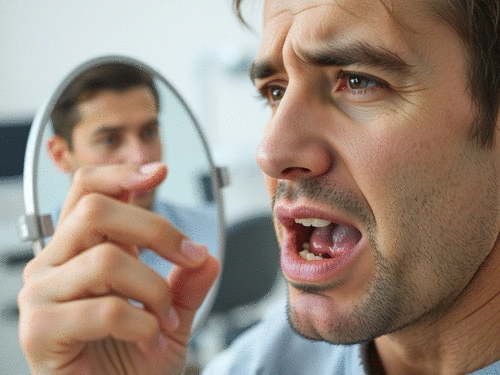
After a tooth extraction, some discomfort is expected. However, certain symptoms can indicate an infection. Look for signs like:
- Prolonged pain that doesn't seem to improve after a few days
- Swelling that worsens instead of subsiding
- The presence of pus or excessive discharge from the extraction site
If you experience any of these symptoms, it’s essential to contact our office promptly. Early intervention can often prevent complications and lead to a quicker recovery.
When Is Swelling Normal? Differentiating Between Healing and Infection
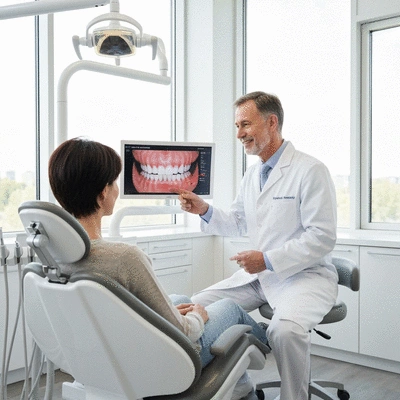
Swelling is a common part of the healing process post-surgery. However, distinguishing between normal swelling and signs of infection is critical. Normal swelling typically peaks within the first 48 hours and gradually decreases thereafter. In contrast, infection-related swelling may:
- Persist beyond three days
- Accompany increasing pain rather than relief
- Be accompanied by fever or other systemic symptoms
Pay attention to your body during the recovery phase. If you’re ever uncertain about whether your symptoms are typical or concerning, don’t hesitate to reach out to us! Proper mouth care tips after surgery can also aid in a healthy recovery.
Recognizing Other Key Signs of Oral Surgery Infection
In addition to swelling and pain, there are other key signs that may suggest an infection following oral surgery. Look out for:
- Fever, which can indicate systemic infection
- Bad breath that seems unusual and doesn’t improve with normal hygiene
- Continuous bleeding from the extraction site after a few hours
Each of these symptoms is a signal that something may not be right. As your oral surgeon, I’m here to help you navigate these concerns, so always reach out if you notice any of these signs.
Types of Infections Associated with Dental Procedures
Exploring Common Dental Infections: Gum and Bone Infections
After dental surgery, infections can occur in the gums or bones surrounding the extraction site. Gum infections, often called periodontal abscesses, can develop due to bacteria entering through the surgical site. Bone infections, or osteomyelitis, are less common but can happen if the bacteria penetrate deeper into the bone structure.
Understanding Rare Complications: Deep Neck Infections
While uncommon, deep neck infections can arise if bacteria spread from an oral infection. These serious infections may cause significant swelling and pain in the neck and throat area. They require immediate medical attention, as they can impact breathing and swallowing.
Pro Tip
To ensure a smoother recovery after dental surgery, consider keeping a daily log of your symptoms. This can help you track any changes in pain, swelling, or other signs of infection. If you notice anything unusual, you'll be better prepared to discuss it with your oral surgeon during follow-up visits.
Summarizing Significance and Action Steps
Recognizing the signs of infection after dental surgery is crucial. Early detection can make a significant difference in your recovery journey. By being aware of symptoms and understanding when to seek help, you can protect your oral health and avoid complications.
At Fort Myers Oral Surgery & Periodontal Care, we believe that informed patients are empowered patients. So, let's recap the key points to help you stay vigilant:
- Monitor for prolonged pain, swelling, or pus.
- Be aware of any fever or bad breath.
- Contact your dentist if symptoms worsen.
Encouragement for Ongoing Vigilance After Dental Procedures
It’s essential to keep an eye on your healing process after any dental procedure. Remember, some swelling is normal, but persistent or increasing symptoms may indicate an infection. Your comfort and health are our top priorities, so don’t hesitate to reach out! Discover more about daily dental care tips for maintaining optimal oral health.

Invitation to Share Experiences and Questions
We understand that navigating post-surgery recovery can feel overwhelming at times. If you have questions or concerns about your experience, please reach out! Sharing your thoughts not only helps you feel supported but also aids others in our community who might be facing similar challenges.
At Fort Myers Oral Surgery & Periodontal Care, I’m here to listen and provide the guidance you need. Whether it’s a question about symptoms or sharing your recovery journey, your voice matters. Let’s connect and ensure your path to recovery is as smooth as possible! You might also find our resources on dental implants for Fort Myers patients helpful for understanding related procedures and care.
Frequently Asked Questions (FAQs)
- What are the key signs of infection after dental surgery?
- Key signs include prolonged pain that worsens, swelling that increases instead of subsiding after 3 days, pus or excessive discharge from the surgical site, fever, and unusual bad breath.
- How can I differentiate between normal swelling and infection-related swelling?
- Normal swelling typically peaks within 48 hours and gradually decreases. Infection-related swelling persists beyond three days, often with increasing pain and sometimes systemic symptoms like fever.
- What are the different types of infections that can occur after dental surgery?
- Common infections include gum infections (periodontal abscesses) and bone infections (osteomyelitis). Rare but serious complications like deep neck infections can also occur if bacteria spread from the oral site.
- When should I contact my dentist after noticing symptoms?
- You should contact your dentist promptly if you notice any symptoms of infection, especially if they worsen, persist, or if you experience fever or unusual discharge. Early intervention is crucial.
- What steps can I take to prevent post-surgery infection?
- Follow your dentist's post-operative care instructions diligently, including medication schedules, oral hygiene practices, and dietary restrictions. Monitoring your symptoms daily can also help with early detection.
Recap of Key Points
Here is a quick recap of the important points discussed in the article:
- Monitor for prolonged pain, swelling, or pus after dental surgery.
- Be aware of additional symptoms like fever, bad breath, or continuous bleeding.
- Contact your dentist promptly if any symptoms worsen or persist.
- Differentiate between normal swelling and infection-related swelling.
- Recognize the potential for gum and bone infections post-surgery.
- Stay vigilant and communicate any concerns during your recovery process.